Direct Sales SMS Marketing: 5 Texts You Can Use
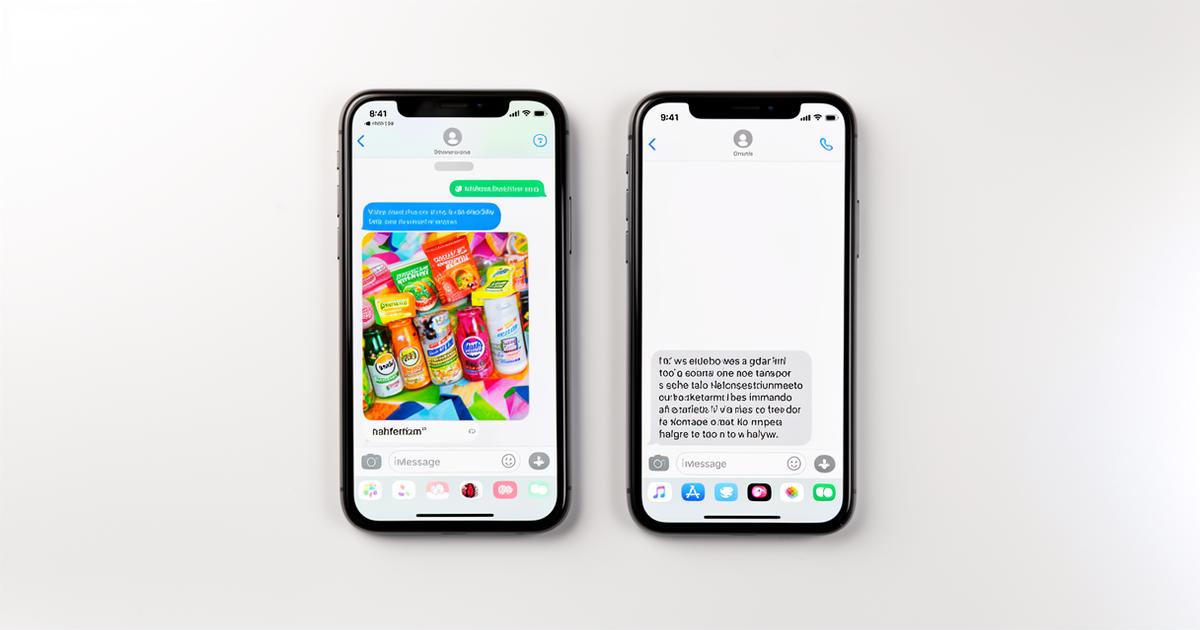
Ready to stop chasing hosts and run automated text parties with 98% open rates?
Start your 30-day free trial with Bella AI — no credit card required.
Start Free TrialNo credit card required · Cancel anytime · Bella AI included
SMS marketing for direct sales means texting customers who have agreed to hear from your business. Most sellers use it for three jobs: inviting people to parties, reminding hosts what comes next, and following up with customers after a party or an order. A good business text is short, says who it is from, asks one easy question, and tells people how to opt out.
Below are five examples you can adapt today. After them, the rest of this guide covers permission, building your list, cadence, personalization and the tools that keep it organized. If most of your texting is party-driven, text party software handles the scheduling and follow-up side of the same workflow.
5 direct sales texts you can adapt today
These are wording examples, not permission to text someone. Use them only with customers who have agreed to receive the relevant messages, identify your business, and honor opt-outs. Replace the bracketed details before sending; the brackets here are writing prompts, not app merge-field syntax.
1. Party invitation
For a guest who has agreed to hear about parties, such as someone on a host's list who opted in to your texts.
Hi [Name], it's [Your name] from [Business]. [Host]'s party starts [day]. Would you like the details? Reply STOP to opt out.
2. Host reminder
For a host a few days before their party, to help them invite friends without extra work.
Hi [Host], it's [Your name] from [Business]. Your party starts [day]. Would a short invitation you can share with friends help? Reply STOP to opt out.
3. Guest follow-up
For a guest who joined a party, sent shortly afterward while the party is still fresh.
Hi [Name], it's [Your name] from [Business]. Thanks for joining [Host]'s party. Did you have any questions or want help choosing something? Reply STOP to opt out.
4. Reorder check-in
For an existing customer, around the time a product they bought might be running low.
Hi [Name], it's [Your name] from [Business]. How is [product] working out for you? Let me know if you need anything. Reply STOP to opt out.
5. Booking ask
For a customer or guest who has already told you they might like to host.
Hi [Name], it's [Your name] from [Business]. You mentioned hosting a party. Would you like to look at a couple of dates? Reply STOP to opt out.
- Get the free booking text pack
- See how to follow up with guests who have not ordered
- Try PartyPerfect Pro free for 30 days
Get Consent the Right Way (TCPA Basics)
Before you send a single marketing text, you need permission — and in the United States that is not just etiquette, it is the law. The Telephone Consumer Protection Act (TCPA) governs how businesses can text consumers, and the core principle is simple: you need clear, provable consent before you send marketing messages, and you have to honor opt-outs immediately.
In practice, that means a few habits become non-negotiable. Get an explicit yes before adding anyone to a recurring text list — "having someone's number" is not the same as having permission to market to them. Tell people what they are signing up for, roughly how often you will text, and how to stop. Always honor STOP requests instantly and permanently. And keep a record of when and how each person opted in, so if anyone ever asks, you can show it.
This sounds heavier than it is. A warm, honest opt-in ask ("Want me to add you to my VIP text list? You will get a few texts a month and can reply STOP anytime") helps explain the invitation in everyday language; the signup process and required disclosures still matter. Because the details genuinely matter, we wrote a dedicated primer — read our guide to SMS compliance and TCPA for direct sellers before you scale your list. Getting this right early protects both your business and the trust you are trying to build.
Building a List Worth Texting
A text list is not a contact dump. It is a curated group of people who genuinely want to hear from you — and the quality of that list matters far more than its size. Start with people who want your updates rather than a large list of people who do not recognize your business.
The best sources for a healthy list are the warm ones already flowing through your business. Party guests who bought or engaged are natural candidates, as long as you ask them plainly and tell them what they are signing up for. An opt-in for one party is not open-ended permission for unrelated marketing later, so ask again when what you send changes. Repeat customers are your gold; they have already voted with their wallets. Referrals from happy buyers come pre-warmed. And anyone who reaches out to you first, whether through a link in your bio or a comment on a post, is practically raising their hand.
As your list grows, resist the urge to treat everyone the same. Segment. Your most loyal buyers deserve a different experience than a brand-new lead, which is exactly the thinking behind building a VIP customer group over SMS — a smaller, exclusive tier that gets first access and special treatment. Tags like "VIP," "past host," "new lead," and "lapsed" let you send messages that feel written for the person instead of broadcast at a crowd.
The Core Message Types Every Direct Seller Needs
Almost every text you will ever send falls into one of a handful of jobs. Master these seven and you have a complete communication system that runs from a customer's first hello to their fifth reorder.
The Welcome Message
The moment someone opts in, send a warm welcome that sets expectations. Thank them, tell them what kinds of texts they will get and roughly how often, and remind them they can reply STOP anytime. This first message sets the tone for the entire relationship — make it feel personal, not automated.
The Party Invite
The invitation is the single message that decides whether your party is packed or empty. It needs the right wording, the right timing, and a tiny, easy-to-answer ask. Because this one message carries so much weight, we broke it down completely — see our guide to party invitation text messages for the exact sequence and copy-paste scripts.
Host Coaching
Your host's excitement is your party's fuel, and it fades without contact. Short, upbeat check-ins in the days before a party keep the host motivated, remind them to invite their people, and quietly drive the pre-party sales that make an event succeed. A few thoughtful texts here are worth more than any discount.
Post-Party Follow-Up
The most-skipped and most-valuable message in direct sales is the personal follow-up to guests who did not order. Life got busy, they meant to reply, and a warm nudge recovers orders that would otherwise vanish. This is where consistent sellers pull ahead of talented ones. For a step-by-step approach, see how to follow up with party guests who have not ordered.
VIP and Reorder Nudges
Your existing customers are your best customers, and a gentle "how are you doing on [product]? A lot of folks are running low around now" turns a one-time buyer into a monthly one. Reorder timing is predictable, which makes it perfect for a light-touch text at the right moment.
Win-Back
Some customers go quiet. That is normal — and recoverable. A friendly, no-pressure "I miss you" text with a small reason to come back reactivates people you thought were gone. The whole approach is worth a read on its own: here is how to re-engage inactive customers in direct sales without sounding desperate.
The Broadcast
Sometimes you have news for many people at once — a new collection, a flash sale, a limited restock. A broadcast sends one message to many contacts individually, so each person receives it as a personal 1:1 text rather than a group blast. Used sparingly and personalized well, it is the most efficient message type you have. Used constantly, it is the fastest way to get muted. For the exact wording across all of these, our library of direct sales text scripts gives you a proven starting point for every scenario.
Cadence: How Often to Text Without Burning Out Your List
Frequency is where most direct sellers either fail quietly or fail loudly. Text too little and people forget who you are, so your messages feel like they come from a stranger. Text too much and you become the account they mute — or worse, the one they text STOP to. The sweet spot is closer than most people think.
For a general customer list, a few messages a month is plenty — enough to stay top of mind, rare enough that each text feels like it matters. Your VIP tier can handle a touch more because they opted into exactly that. And there is a crucial distinction between broadcast messages and conversation: a 1:1 back-and-forth with someone who replied to you is not "frequency" the same way a blast is. You can go back and forth all day with an engaged customer; it is unsolicited mass sends that wear people out.
A simple rule keeps you honest: every broadcast should give the reader something, not just ask them for something. If three texts in a row have all been "buy this," you are overdrawn on the relationship. Mix in value — a genuinely useful tip, an early look, a personal check-in — and your audience stays glad to see your name pop up.
Personalization and Merge Fields
The difference between a text that converts and one that gets ignored is almost always personalization. "Hey Sarah!" gets read; "Hi everyone" gets archived. But personalizing by hand does not scale past a few dozen people — which is where merge fields come in.
Merge fields (sometimes called smart fields or tokens) let you write one message with placeholders — a first name, a last order, a host's name — and have the system fill in the right details for each recipient automatically. You get the intimacy of a hand-written text with the efficiency of a broadcast. The best part is that good personalization is not just the name; referencing what someone actually bought, or the host who invited them, is what makes a message feel unmistakably meant for them. Store that data somewhere you can actually use it, and every broadcast starts to read like a personal note.
MMS vs SMS: When to Send a Picture
Not every message should be plain text. MMS — the picture-and-media version of texting — can dramatically lift engagement for the right message, because a new product looks far more tempting when your customer can actually see it. A gorgeous photo of a seasonal collection will almost always outperform a paragraph describing it.
But MMS is not automatically better. It can cost more to send, it is overkill for a quick check-in, and a wall of images can feel more like an ad than a note from a friend. The rule of thumb: use MMS when the visual is the point (product launches, before-and-afters, event flyers) and stick with clean SMS for conversation, reminders, and personal nudges. We compare the two in detail — including cost and deliverability trade-offs — in our breakdown of MMS vs SMS for direct sales.
Measuring What Works
You cannot improve what you do not track, and the beauty of SMS is that the signals are honest. Watch your reply rate — are people actually responding, or just receiving? Watch your opt-out rate, because a spike after a particular message is a loud signal you crossed a line. And watch what ultimately matters: orders and bookings that trace back to a text.
Over time, patterns emerge. You will learn which day and time your audience responds best, which message types drive orders versus which just get polite replies, and which segments are worth more of your attention. Treat every broadcast as a small experiment. Change one thing at a time — the offer, the timing, the opening line — and let the numbers, not your mood, tell you what to do more of.
The Tools to Run It Right
You can start SMS marketing from your personal phone, but you will hit a wall fast — no way to broadcast, no opt-out tracking, no merge fields, and a very good chance of blurring your business and personal life until you dread your own notifications. Two tools change everything.
The first is a dedicated business number. Texting from a separate business line keeps your personal number private, makes your business look professional, and gives you a clean place to manage every customer conversation. Business messages still need to follow provider requirements and respect recipient consent. We walk through exactly why this matters and how to set one up in our guide to getting a business phone number for direct sales.
The second is a CRM built for direct sellers rather than a generic mass-texting app. A purpose-built platform ties together the whole system this guide describes: it records consent, applies STOP requests for you, tags and segments your list, fills in merge fields, sends broadcasts that land as personal texts, and remembers every customer's history so no follow-up slips through the cracks. If you sell for a specific brand, the workflow plugs right in — for example, our Scentsy consultant tools wrap all of this around the way that business actually runs. The tool is not the strategy, but the right tool is what makes the strategy sustainable instead of exhausting.
Putting It All Together
SMS marketing for direct sales is not complicated, but it does reward doing the fundamentals well. Earn consent honestly. Build a list of people who genuinely want to hear from you. Send the seven core message types at a pace that respects your audience. Personalize everything, reach for MMS when the picture is the point, and let real numbers guide what you repeat. Results depend on your list, your offer and your follow-through, but done consistently, text is the channel that most feels like the personal relationships your business is built on.
Run Your Whole SMS Strategy in One Place
PartyPerfect Pro gives you a dedicated business number, opt-in and STOP tracking, list segmentation, merge fields, and broadcasts that land as personal texts so you can organize your messages and follow-up in one place.
Try the core planning features free for 30 days, with no credit card required. Sending SMS and email requires a paid plan. See current pricing.
Ready to stop chasing hosts and run automated text parties with 98% open rates?
Start your 30-day free trial with Bella AI — no credit card required.
Start Free TrialNo credit card required · Cancel anytime · Bella AI included
The PartyPerfect Pro Team
Tips, scripts, and strategies from the team that built PartyPerfect Pro — the SMS-first platform for direct sellers.
Read Next
Scripts
Direct Sales Text Message Scripts That Actually Work (2026)
Copy-paste SMS scripts for booking parties, following up after a text party, coaching your host, and re-engaging cold contacts — written specifically for direct sellers.
Read More
Strategy
How to Build a VIP Customer Group Over SMS (and Keep Them Buying)
A VIP SMS group turns one-time buyers into loyal repeat customers. Here's how to launch yours, what to text them, and how a CRM keeps the whole thing running on autopilot.
Read More
Compliance
SMS Compliance for Direct Sellers: What You Need to Know About TCPA
TCPA fines start at $500 per text. Learn what counts as consent, what you must include in every message, and how to build a compliant contact database as a direct seller.
Read MoreScripts
Party Invitation Text Messages: Wording & Scripts That Get a Yes (2026)
The invite text is the single message that decides whether your party is packed or empty. Here is the exact wording, timing, and 15+ copy-paste scripts that turn a group list into RSVPs.
Read MoreTools for your company
Sell for a specific direct sales company? Get the tailored toolkit — booking, host coaching, text scripts, and follow-up built around how you actually sell.